The Discalced Carmelite Friars’ Malabar Province inaugurated on February the 14th the “Benziger Home” in Edappazhanji, a Kerala village near Trivandrum, India.

This house will receive cancer patients who come from different locations to receive therapy. As therapy does not usually require admission to hospital, these people need a place to stay, which would be a very costly and difficult expense for the most disadvantaged.

Thus, “Benziger Home” will offer lodging and food to poor, sick people, free of charge. The house has been designed taking special care of its brightness and ventilation, so that the sick and their companions are as comfortable as possible.

We thank the Lord and our brethren for such a beautiful initiative.


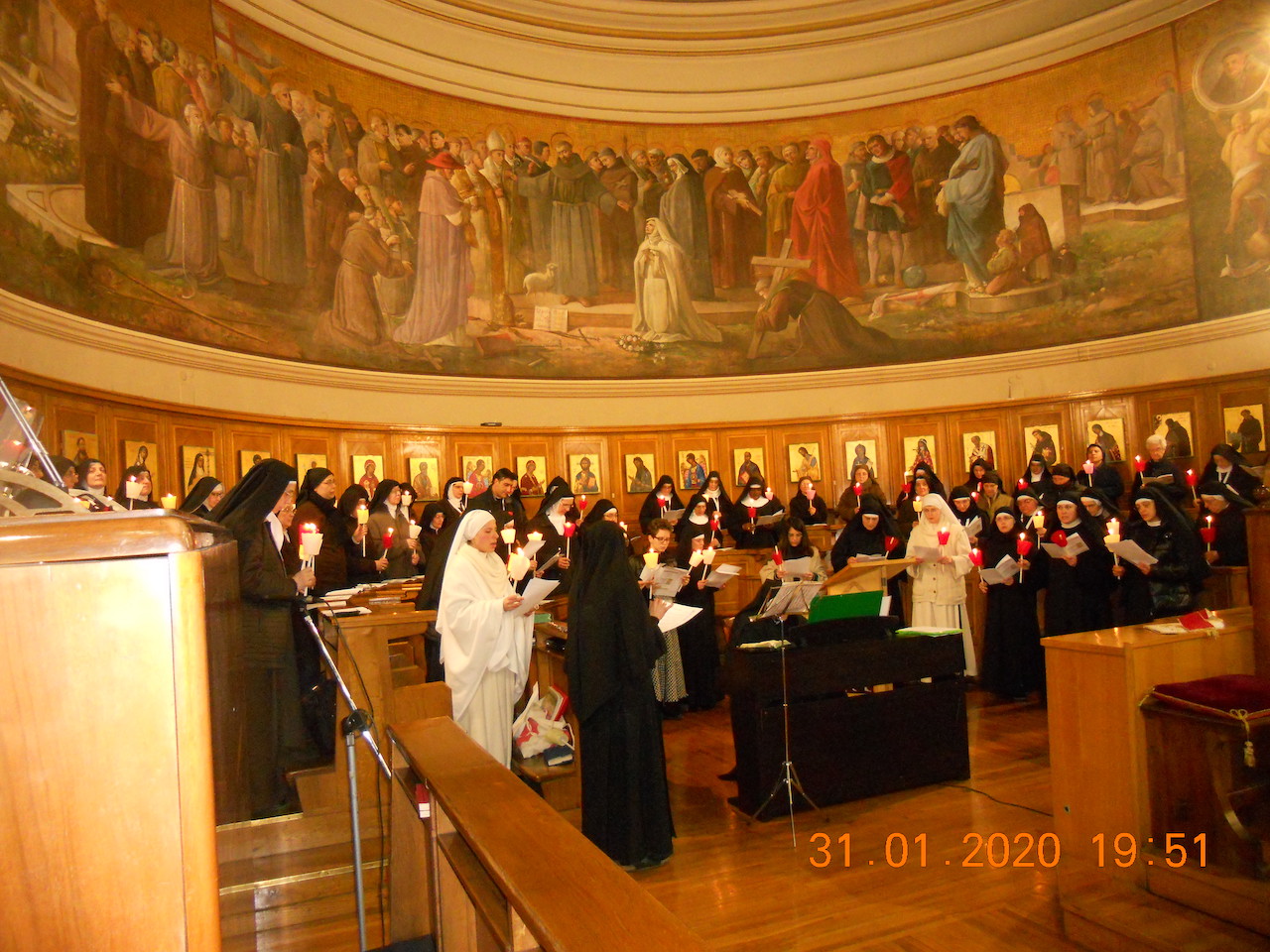
On the 31st of January and the 1st of February, the Congregation for Institutes of Consecrated Life and Societies of Apostolic Life (CIVCSVA) organized a meeting with the title: Economy at the service of contemplative forms of life for Italian contemplative nuns.

The objective of the meeting, as can be inferred from its title, was to give some guidelines on the financial management of communities and monasteries of contemplative life, in the light of the principles that canonical and civil law offer.

The nature of the ecclesiastical authorities, the real estate heritage of monasteries and cultural assets, as well as the necessary transparency of accounting and balance sheets, were some of the issues addressed by different specialists in the two days.

Different liturgical celebrations accompanied the reflections, at which presided Monsignor Carballo or Monsignor Braz de Avis (Secretary and President of CIVCSVA, respectively). On the first day, as on the closing day of the meeting, the nuns attended the solemn Mass in St. Peter’s Basilica at which presided Pope Francis.


Vultum Dei Quaerere, Cor Orans and Art of Seeking God have introduced new trends in to women contemplative life. Several seminars, meetings were organised all over the world to understand and assimilate the novelty that the Church wants to introduce into the contemplative life.

As part of these efforts to understand, assimilate and apply, Fr. Johannes Gorantla our General Definitor incharge of South Asia has organised several regional meetings in the past three years. However in these days (from 26 January to 2 February) he along with Fr. Rafal Wilkowski, the secretary for the nuns has organised a workshop for all the Presidents and their councils at Carmelaram, Bangalore, India.

There were present 4 Presidents, their respective councils and other office bearers (30). The objective was to help our sisters in the administration of federations. In particular on the functions of the president, councils and other office bearers with emphasis on how to make visitations. Added to this the meeting gave an opportunity to discuss on the present situation of South Asian Carmel and try to find out its strengths and challenges. The inter association assembly unanimously agreed on some fundamental issues in order to live our life with increased enthusiasm. This gathering gave them an occasion to discuss about the possible collaboration between the associations.

South Asia has 37 Carmels with more than 500 sisters ( India 34; Srilanka 3). They are divided into 4 associations.

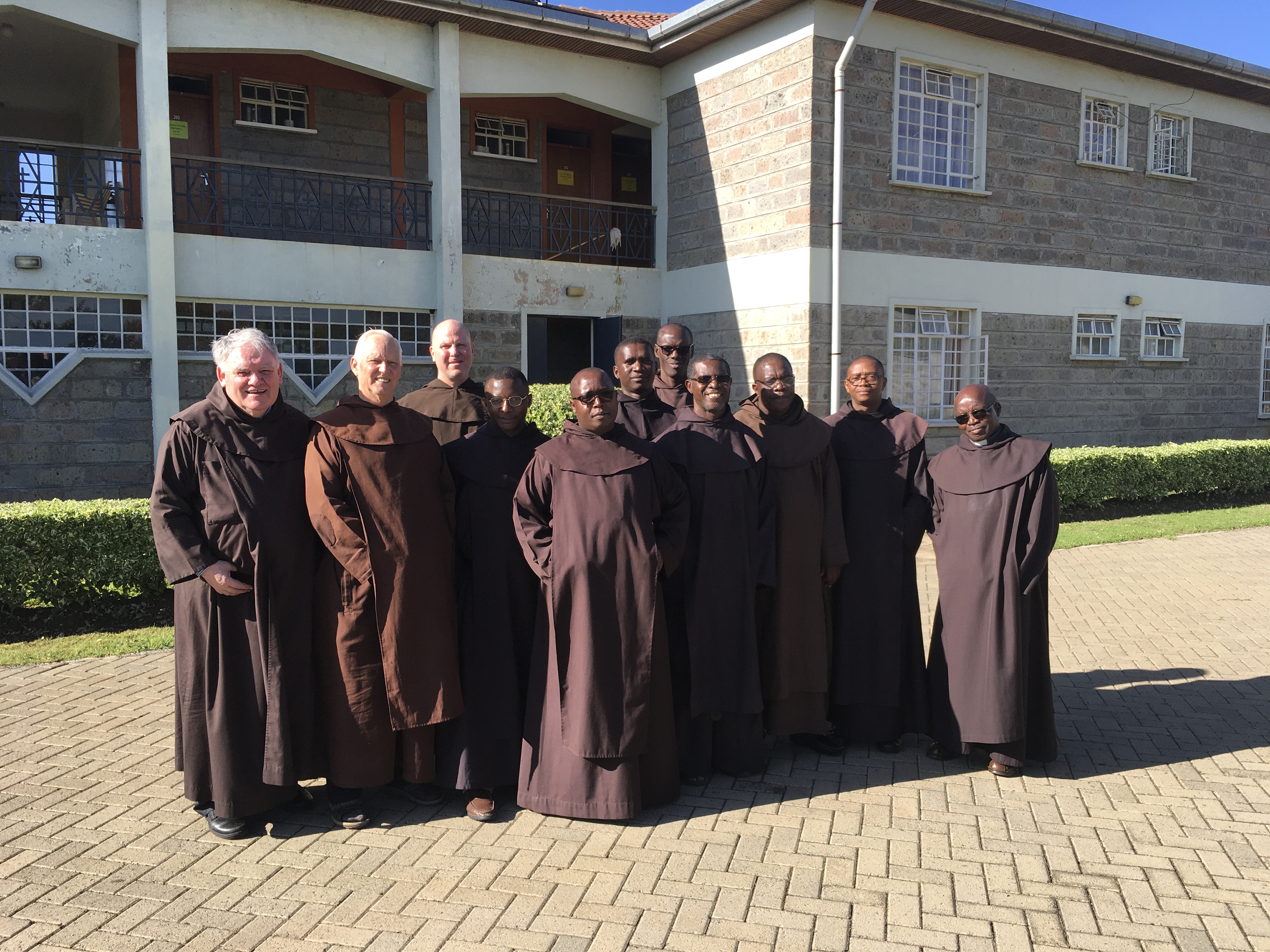
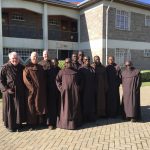
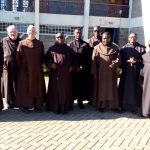
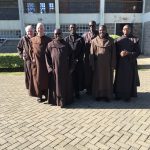
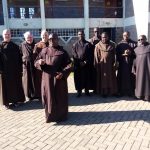
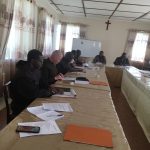
The Conference of Major Superiors of Anglophone Africa held its annual meeting in Kenya from Sunday the 2nd to Friday the 7th, in Nairobi-Kenya. Here is the communiqué issued by the Conference:

Dear Brothers,

We, the Conference of Major Superiors of Anglophone Africa, send you heartfelt fraternal greetings.


  1. We held our annual meeting at Our Lady of Mount Carmel Carmelite Community Kiserian –Kenya from the 2nd to 7th February 2020. During these days, we prayerfully reflected on the state of affairs of the Order in our respective circumscriptions. We would like to share the following with you:
  2. We continue to give thanks to the Lord of the Vineyard for the seed of the Carmelite Vocation planted in our respective African soils through the generous labours of our Mother Provinces. We are equally grateful for the so many positive signs of the growth and flourishing of this seed of Carmel in our lands. While appreciating the sacrifice of the missionaries still accompanying us, we continue to pray the Lord of the Harvest to send more dedicated labourers into his vineyard and grant success to the work of our hands.
  3. We gladly acknowledge that the 4th Teresian Congress for Africa held in October 2019 was a huge success in fostering growth and communion between the two language zones. We, therefore, express our most profound gratitude to our Father General, Very Rev. Fr. Saverio Cannistra and the Definitor for Africa, Very Rev. Fr. Daniel Ehigie for their respective invaluable contributions towards the success of the Congress. Our special appreciation goes to Frs Philbert Namphande and Fr Emile M’Bra, the respective Presidents of the Anglophone and Francophone Conferences. The members of the Planning Committee chaired by Fr Valentin Ntumba, Fr Jerome Paluku, the Secretary of the Missionary Cooperation Office, the local organizing committee, as well as the Friars of the host circumscription and the Provincial Delegation of Cameroon. We remind all the participants at the Congress of their responsibility to ensure that the fruits of the Congress are duly disseminated. To further exchange and facilitate the internalization of the gains of the Congress, we on our part, will intensify efforts to see to the timely publication and distribution of the various presentations at the Congress.

Also, given the importance of such events seen in the warm reception of the various presentations and encounters, as well as the need to keep abreast with contemporary realities as they affect us, we agreed that henceforth the Teresian African Congress will be a sexennial event.

  1. We recognized the beauty of collaboration as it contributed immensely to the success of the 4th Teresian Congress. We therefore renewed our resolve to promote collaboration both within and across our circumscriptions. We hereby enjoin all our Friars, especially those responsible for the formation of our young religious, to explore ways of collaborating with those in other circumscriptions and language zones.

The nuns, OCDS and affiliate institutes are to be seen as important members of the Carmelite family. Hence, they are to be included in our efforts at effective collaboration. We are greatly pleased with the services rendered by the Institute of Spirituality and Religious Formation (ISRF) of Tangaza University College for and on behalf of the Order. We encourage all our members to take advantage of the resources that the Institute offers in the areas of Spirituality and Religious/Psychological formation.

We remain very grateful to Fr Remigius Ikpe, the outgoing Director of the Institute for his selfless service, and we wish Fr Patrick Ekpada the best as he prepares to assume the responsibility of directorship of the Institute by May 2020.

  1. Guided by the General Definitor for Africa, Very Rev. Fr. Daniel Ehigie, we reflected on Fr. General’s letter to Provinces preparing for Chapters and the document from the Definitory on the Charismatic Declaration of the Order, and applied the issues raised therein to our own circumscriptions in Africa: to rediscover, embrace and promote communion at all levels especially with the central government of the Order; to adopt the style and structure of governance in tune with the spirit of the gospel and our Teresian Carmelite traditions; and to eschew those attitudes and activities that militate against our Carmelite identity.

We thank our mother-provinces for their continued support; and we appreciate our Friars in the Kenya region for their wonderful gesture of fraternal hospitality. We entrust you all to the maternal care of Our Lady of Mount Carmel and the intercession of our Holy Father, St Joseph.


6 monasteries of Kerala (Thiruvalla, Kottiyam, Makayattoor, Eramallor, Kolayad and Trivandrum) and 3 from Srilanka (Colombo, Galle and Kandy) joined together to form a new federation under the patronage of St. John of the Cross. After receiving the decree of approval from the Holy See they celebrated their first general assembly from 24-26 January 2020 at Bangalore.

Fr. Johannes Gorantla, the Definitor incharge of South Asia and Fr. Raffael secretary for the nuns were present to assist the assembly.

In this general assembly there were 18 members from 9 monasteries that constitute the Federation and 2 guests from a new foundation (Thamarassery).

The new office bearers of the federation are:

Rev. Sr. Anjali, (Kolayad), President.

Rev. Sr. Angeline (Kandy). 1 councillor.

Rev. Sr. Sharlet (Thiruvalla), 2 councillor.

Rev. Sr. Therese (Colombo), 3 councillor.

Rev. Sr. Rosario (Trivandrum), 4 councillor.

Rev. Sr. Cicily (Eramalloor), Treasurer.

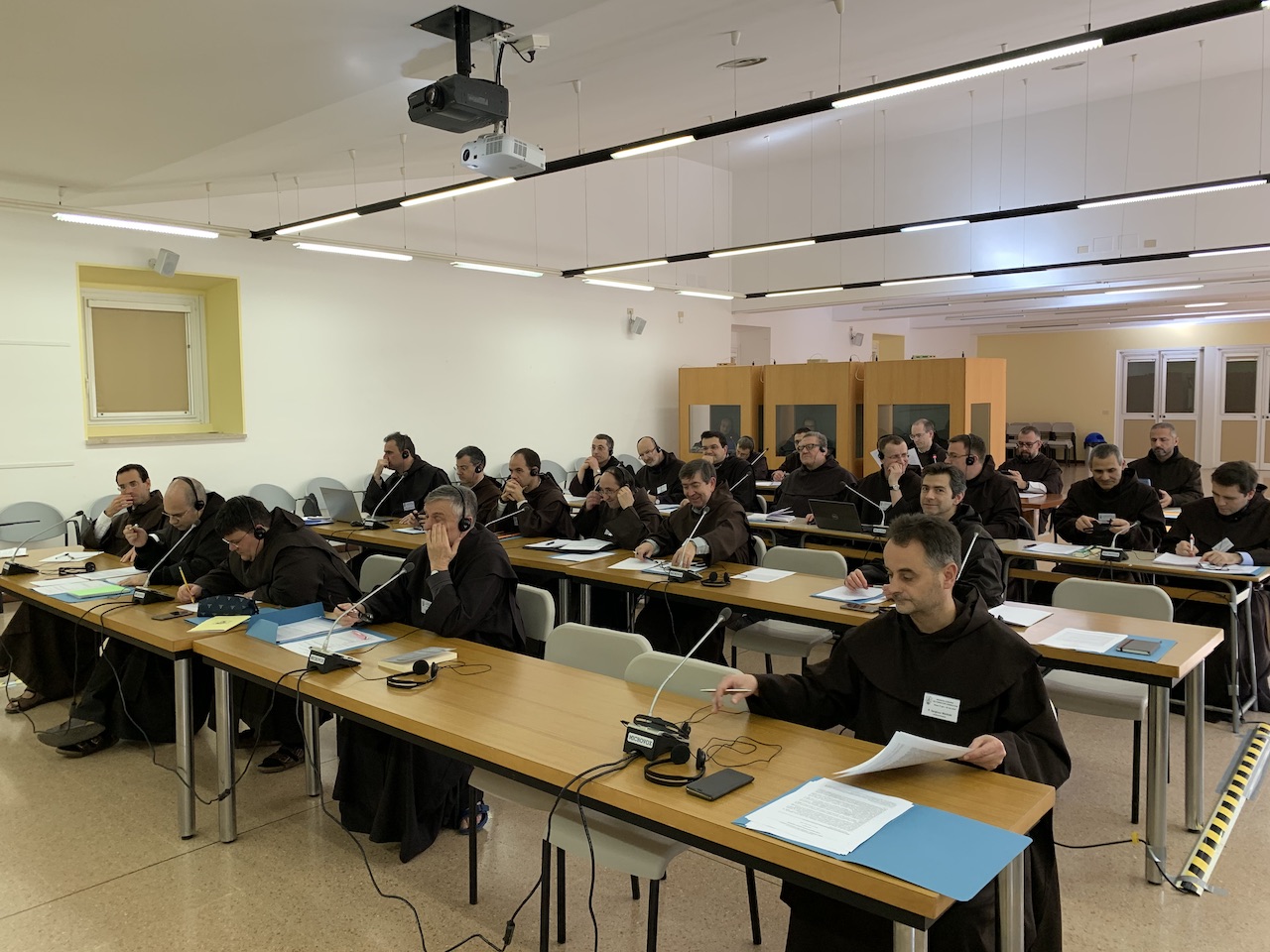
As we reported a few weeks ago, the annual meeting of formators of the European Conference of Provincials was held recently from the 27th of January to the 1st of February at the Teresianum in Rome. Presiding at the meeting was Fr Juan de Bono, ocd, President of the Conference. The more than thirty religious attending the meeting represented almost all of the circumscriptions belonging to the Conference.

The subject for reflection was the religious vows. The lectures were given by Father Giuseppe Crea, a Combonian, and Dr. Gian Franco Poli, followed by a meeting in linguistic groups that was later shared in the plenary assembly.

Fr. Agustí Borrell, ocd, First Definitor General, was able to meet with the formators on the morning of the 29th of January when he discussed with them the Declaration on our Charism. On the 1st of February, accompanied by P. Lukasz Kansy, ocd, the Second Definitor General, he met with the formators of the Iberian Province, to draw up with them the program for the European Second Novitiate.

Next year, God willing, the meeting will take place at CITeS in Avila, with the topic yet to be decided by the Council of the Conference.

From the General Curia itself we want, first of all, to thank you for all the signs of closeness and concern that are coming to us these days.

Thank God, maintaining the isolation recommended by the Italian government, the situation of the General Government of the Order is good and there are no cases of coronavirus infection (COVID-19).

At this grave moment, we wish to express our closeness and affection to all members of the Order. We also feel united to all the men and women who are suffering, to varying extent, the effects of this pandemic and we invite you all to pray fervently and trustingly for the deceased, for all the sick and their families and, in a very particular way, for those who govern us and for those who work, with hardly any rest, to care for those affected.

While bushfires caused havoc in Australia and Taal Volcano erupted in the Philippines, the Sisters in Vilvoorde Carmel in Belgium had to deal with a fire in the monastery church, Troost Basilica. Two children had set alight the Christmas crib at the entrance to the church.

Shortly after four in the afternoon of January 6 this year a very concerned neighbour rang at the enclosure door in panic to inform the Sisters that the crib was on fire. Providentially, there was a man praying inside the basilica at that very hour. Hearing the commotion he went outside and saw the fire. Since he had no cellphone with him he asked the owner of a store across the street to call the fire department and the police.

The fire-fighters arrived very quickly and put out the fire before it could spread to the interior of the basilica. However, the central heating installation at the back of the crib was totally burned, causing much damage. The smoke coming from it crept inside the basilica and left its traces on the newly-restored white walls, painting and statues. The pipes of the seventeenth-century organ needs to be tested by an expert to see if their sound has been affected.

The mayor of Vilvoorde came at once to assure the Sisters that everything was under control. He told the press that it was merely kattenkwaad, literally in Flemish ‘evil done by a cat’, meaning mischief by someone not realising the consequences.

At first we thought that the fire might be related to bombings and attacks in the recent past in Belgium. But witnesses saw two children running away from the basilica. One of the children told his mother what he and his friend had done. She surrendered her child to the police, an act that gained much appreciation in the media. The names of the children have been withheld from the public to protect them. But they were said to have undergone disciplinary action, especially the older one. This reassured us that it wasn’t an act of terrorism. Until this time of writing we are still waiting for the official report from the police.

Also as of this writing, the basilica is still temporarily closed to the public because a team of experts and insurance assessors have been inspecting the building, estimating the damage and the cost of repairing it.  The basilica and everything in it will have to cleaned, the heating installation replaced and the burned part of the building repaired and so on. Because the basilica is a protected monument every step has to be approved by the government and proper documentation done.

The official name of the basilica in Flemish is Onze-Lieve-Vrouw ten Troost Kerk, the Church of Our Lady of Consolation, known simply as Troost Kerk. We trust in God’s providence and in Our Lady of Consolation, our monastery’s patroness. When and how everything will be restored remains to be seen. In the meantime Mass is celebrated in the weekday chapel inside and on Sundays in the sacristy building.

On the evening of January 5, Epiphany Sunday, the Sisters had gone to the different cribs in the monastery singing Christmas carols. They went first to the entrance of the basilica after it was closed, not knowing that it would be the last time that they would see the old nativity images, which for years had stood there every Christmas season. Years ago a statue of a sheep was stolen and vandalized. We placed a grille in the following years. But the grille could not keep out the match sticks that the boys took from our devotional room.

However, we have many reasons to thank God: the Sisters are all safe and the cloister and most of the basilica were spared from the fire. We thank God and Our Lady of Consolation for protecting us. We also feel for the parents of the two children and we pray that the two boys may learn a lesson from the whole experience.

***

The Carmel of Vilvoorde, founded in 1469, is the oldest continually-existing community of Carmelite nuns in the world and the only surviving Carmel founded by Blessed John Soreth himself. She celebrated the 550th anniversary of her foundation last February 11, 2019. Vilvoorde Carmel joined the Teresian Reform in 1966, an unprecented and unique event in the history of the Carmelite Order. Considering the ages of the Sisters (7 Belgians: 77-90; 5 Filipinas: 40-62 years old) the community is still open to accept Sister-volunteers from other Carmels who feel called to the Foreign Missions, to help preserve this very precious heritage of the Order. The community speaks Flemish-Dutch and English. You may get in touch with them via email addresses:

zusters.karmelietessen@belgacom.net

carmel_troost@belgacom.net


Submitted by Vilvoorde Carmel

From the 4th of January to the 2nd of February, Fr. Saverio Cannistrà, ocd, made a pastoral visit to the Caribbean Commissariat. In this area of jurisdiction, our religious are present in Cuba, the Dominican Republic, Puerto Rico and Miami. In addition to visiting all the friars’ communities, Father General was able to meet our Discalced Carmelite sisters and the communities of the Secular Order.

The visit ended with the celebration of the Chapter of the Commissariat, at which presided Fr Saverio. Elected as Commissar was Fr Jacinto Rosario and as Councillors, Frs Fernando Sánchez, Sandy Fernández and Jorge Montoya.

We can add here that Fr Javier Mena, present at various Chapters held in these days, ended his American journey by presiding over the Chapter of the Delegation of Argentina, accompanied by the new Delegate, Fr Ricardo Prado, until now in charge of formation.

March 7th of this year is the 250th anniversary of the death of St. Teresa Margaret of the Heart of Jesus, a Carmelite nun of Florence. She was born in Arezzo on July 15, 1747, the second of thirteen children, and was baptized on the feast day of Our Lady of Mount Carmel with the name of Anna Maria. Her father, Ignacio Redi, was descendent of a family distinguished for its solid cultural tradition and profound faith life. (Among the family’s ancestors was Francesco Redi, one of the most important natural scientists of the 17th century, as well as poet and author.) The gentleman Ignacio was Anna Maria’s first and most important spiritual guide. He introduced her into the knowledge of God, the practice of prayer, and the exercise of the virtues. She found in him a man graced with a keen intellect, together with the tenderness of a loving father.

The day that our Order has chosen to celebrate the liturgical memorial of St. Teresa Margaret is the 1st of September, the day when Anna Maria crossed the threshold of St. Teresa’s monastery in Florence at the age of 17. There she remained a little more than five years, until the day of her death on March 7, 1770.

A simple but strong faith runs through the entire life of Teresa Margaret: the Heart of Jesus, her religious name, her program of life, and her primary inspiration. Despite resistance that devotion to the Heart of Jesus found in some areas of Tuscany due to Jansenist tendencies, Anna Maria, thanks to the influence of her Jesuit uncle, Fr Diego, and reading the life of St. Margaret Mary Alacoque, nourished herself on this spirituality, the core of which is the actuality of the passion and glory of the Lord Jesus: Christ loves us now, as he also rejoices and suffers now. The popularity of the devotion was based precisely on this actualizing principle which made Christian life an effective participation in the sufferings and joys of Jesus. In one of St. Teresa Margaret’s most famous texts, Resolutions during the Spiritual Exercises of 1768, the young Carmelite followed this fundamental approach: her joys and sufferings took on meaning only when united to those of the Heart of Christ. This approach is not oriented so much toward attaining perfection, but rather a surrender in faith. This is precisely why Teresa Margaret, after having declared that Love is the only goal towards which she strives, asks: What is needed to assume with determination and fidelity this project of life? The answer is: “What is necessary is total abandonment to God… so that only You operate in me.” Teresa Margaret’s experience is profoundly characterized by this attitude of confident abandonment, humility, and an ever-deepening offering and surrender to the loving work of The Father.

The event that brought renown to St. Teresa Margaret was the grace of “Deus caritas est,” for which she was prepared through a simple yet arduous assignment as assistant-infirmarian. The assignment began practically with religious profession and was for her the most concrete means of expressing to the Lord her impatient desire to love Him. The office of infirmarian was added to those already demanded of her, in a community that was experiencing a period of frequent infirmities.   All the testimonies about her reveal a natural and spiritual disposition for this service in which she generously deployed all her delicate charity. The mystical grace was thus described by one of her most attentive sisters in the deposition given in the canonization process:

I observed also in the year 1767 […] another significant change in her outward behavior on an occasion that, finding myself one day seeing her leave her cell and following behind her without her noting my presence or realizing that I was following her, I perceived that her entire face was illuminated and she had an air of abstraction or transport and with a clear, deliberate voice, she uttered these Latin words: «Deus charitas est, qui manet in charitate in Deo manet, et Deus in eo,» and, often uttering these words, she went to the choir, and even after she had finished the services, she continued, when she thought she was not heard, to utter these words for several days, always in a tone and appearance conforming to the above described, so that what was heard became known to the other nuns, although she was overwhelmed by her thought and did not believe anyone heard her.

From this day on, it was as though the young nun was being stalked by some sisters. They followed her to find out just what was happening in her, as if they wanted to hear those “inexpressible sighs” with which the Holy Spirit manifested Himself after having established Himself in a free heart. In fact, the nuns testified that from that graced experience, Teresa Margaret “began to act” in a new way, she changed course, redefined by a new goal. To be possessed by inflamed Love. Soon, however, Teresa Margaret experienced that her flame not only warmed and illuminated, but also burned and consumed to the point of leaving her deprived of all security and possession.

The letters she wrote to her spiritual director, the learned and wise Fr. Ildefonso di S. Luigi, during the last two years of her life are cries for help sent out from a person who is shipwrecked in the darkness of a mystery that surpasses her.  If, on the one hand, her commitment to service grew to the point of leaving her no time even for the care of her spiritual life; on the other hand, the feeling that invaded her was one of radical poverty, of the inability to respond to a Love that has manifested itself to her with such strength. Coldness, insensible, abasement, repugnance are the terms that most frequently come out of her pen to describe the spiritual state in which she was immersed. She could not explain the contrast she felt; repugnance towards any act of virtue, and at the same time, the desire to conform herself in everything to the Heart of Jesus. She understood that the time had come to “suffer and be silent … and to be in all things unperturbed as if I am insensitive”, which is easier to write than to do.  Her only recourse was to surrender to the only certainty that endures, not that of her virtue, but rather that of the love of God: “But I am consoled also feeling that, despite so much indifference towards my good God, He never backs down from always searching for my heart.”

This is the full, mature, radical faith to which St. Teresa Margaret arrived. It was not just a matter of an intellectual assent to the truths of faith, which in any case form an integral part of them; rather, faith is the attitude that made her seek and find in God – and not in herself – her security. On that faith, St. Teresa Margaret rested as on the cross in a more complete abandonment the deeper the darkness accompanied her until the last day of her life. Believing and loving come together, they tend towards the same goal, they are but two declensions of the same childlike confidence in God, to whom hope “in [his] mercy … and in his charity” must be indissolubly united.

St. Teresa Margaret’s testimony is a reminder to all of us, Discalced Carmelites of the 21st century, that union with God is and always will be the goal to which our vocation tends, a “hidden” union, as our Constitutions say, as is the presence of God in the midst of world history. Precisely because it is obscure, that is, hidden, the form of this union does not consist in extraordinary mystical phenomena, in special and outstanding charisms for which the religious flesh is so avid. It is an ordinary form; indeed, it is a servile and self-giving form, the same form that Jesus took in his earthly life. It is the form of a human creature who submits day by day, piece by piece, his whole being into the hands of the Father with the sure certainty that he will have it renewed by Him and made a member of the wounded and glorious body of the Risen Christ. This submission is the consequence of a greater desire that God himself has placed in the depths of the human heart, of an “excess” without which Christianity would lose its meaning, and even more so its contemplative vocation. As has been written recently,” only from this movement of vulnerable imbalance, in which we make everything we are available, even knowing that it is not enough, can Christianity speak to contemporary man again, and be heard, because it touches a tender nerve.” [1].

[1] C. Giaccardi – M. Magatti, La scommessa cattolica, Il Mulino, Bologna 2019, p. 82.


In recent days, we received news of two important appointments that have been placed on members of our Order.

On the one hand, Father Raymond Abdo, ocd, Provincial of Lebanon, informed us that our brother, Father Michel Abboud, Superior of the Kobayat monastery, has been appointed National President of Caritas-Lebanon by the Lebanese Episcopal Conference. This is a high-profile office, taking into account, among other things, the situation of the country at the moment.

In addition, Fr. Szczepan Tadeusz Prakiewicz, ocd, of the Krakow Province, has been appointed by the Holy Father Pope Francis as a Relator of the Congregation of the Causes of Saints, of which he was a Consultant.

We congratulate our brethren and assure them of our prayers.

In order to facilitate a better participation, the Indian Definitor Fr. Johannes Gorantla has organized the Workshops on the Charismatic Declaration in two places.  The first workshop, organized from 16-19 at Trivandrum was meant for the Provinces of Malabar, Manjummel and South Kerala. Around 25 religious between the ages of 35-45 participated in it.

The Second workshop was organised from 20-23 January at Mysuru for the Provinces of Karnatak Goa, Andhra Pradesh, Tamilnadu and Delhi. There were 32 Participants. On the first day, as usual, Fr. Johannes began the workshop with an exposition of the document: its context, background, relevance and the objective of the workshop etc.. He continued for another couple of sessions helping the participants understand the general structure and content of the text and a profound reading and understanding of the first three sections on Vocation, formation and the Teresianum anthropology.  Fr. Pius D’Souza and Fr. Maria David helped the participants in the understanding of the first two elements of the Charism namely Communion with God and Fraternal life I the community, while Fr. Archibald Gonsalves expounded the third element of the charism namely, the Mission. After the exposition from the part of the resource persons, questions related to the text, content, relevance, challenges in living them, context in which they are to be lived  etc.. were given to the groups for discussion. At the end of the day the groups presented the fruits of their discussion in the plenary assembly. The discussions were always fruitful and lively as the participants were mostly young, relatively experienced, committed and educated friars with a great passion to live the charism. There was a great appreciation from the part of the participants for the beautiful document, and for the efforts that the Order is making to reformulate the essential elements of our charism in a language that is understandable to the religious today. They really felt that this is an inspiration and work of the Holy Spirit. They sincerely thanked the General Definitory for organizing such a fruitful workshop. They said that these were days of great fraternity and renewal for each one of them. At the end all returned to their respective provinces with great enthusiasm to live the charism as faithfully as possible. They left valuable suggestions and comments to enrich the document and our reflection.

Recently, on the 23rd of January, Cardinal Giuseppe Versaldi, Prefect in charge of the Roman Congregation for Catholic Education, visited the University of Mysticism in Avila.

During the visit he was accompanied, among others, by the CITeS authorities, as well as Professor Javier Belda Iniesta, Delegate for Legal and International Affairs of the John Paul II Pontifical Theological Institute and Professor Manuel Arroba, Dean of the new section of the John Paul II Pontifical Theological Institute which, on Wednesday, January 22nd, the Cardinal inaugurated in Madrid.

While visiting CITeS, the Cardinal expressed the importance of this centre regarding forging and supporting the great ecclesial project of the New Evangelization. He also appreciated the importance of the mysticism of Teresa and St John of the Cross, encouraging the CITeS community to keep on with this work so that it can continue to strengthen the life of faith and the necessary cultural, interdisciplinary and interreligious dialogue. There was no shortage of inspiring references to Teresa of Jesus and her incarnate mysticism, as an inspiring model of what CITeS must be.